
Siemens Survey: AI and Digital Tech to Transform Global Power Grids
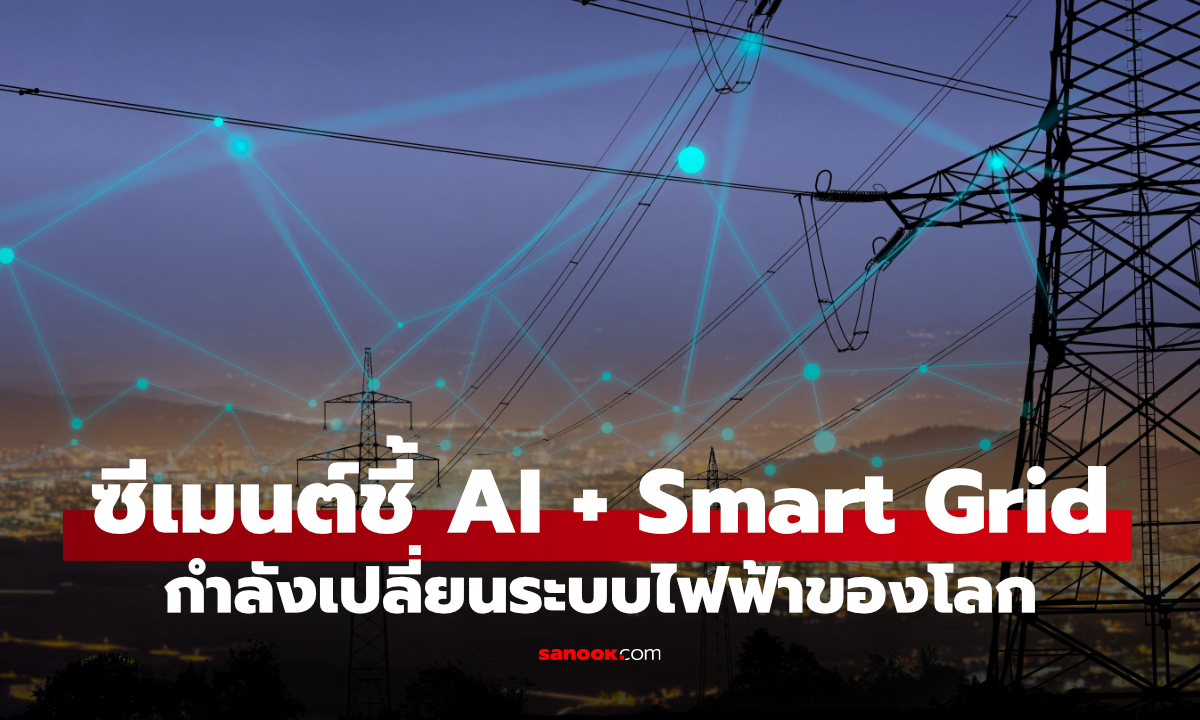
A Siemens survey of 1,400 executives indicates that AI, smart grids, and digital twins will define the future of global electrical infrastructure.
The Shift Toward Digitalized Energy Systems
Recent data from Siemens reveals a significant shift in how global energy infrastructure will operate. A survey conducted among more than 1,400 executives worldwide suggests that digital technologies are becoming the foundational elements of modern power systems.
The findings highlight that three specific technologies—Artificial Intelligence (AI), Smart Grids, and Digital Twin modeling—will serve as the core components for managing future electricity demands. These tools allow for more precise monitoring and real-time adjustments to energy distribution networks.
Addressing the Surge in Energy Demand
The transition toward these digitalized systems is driven by the rapid expansion of energy-intensive industries. Siemens notes that the global electrical grid must evolve to support two primary growth drivers:
- Data Center Expansion: The massive computational requirements of cloud computing and AI training demand constant, high-capacity power.
- Electric Vehicle (EV) Adoption: The transition from internal combustion engines to electric motors necessitates a grid capable of managing widespread, high-speed charging infrastructure.
The Role of Smart Technology
Implementing Smart Grid technology enables utility providers to integrate intermittent renewable energy sources more effectively. By using AI-driven predictive analytics, operators can anticipate fluctuations in supply and demand, reducing the risk of outages.
Furthermore, Digital Twin technology allows engineers to create virtual replicas of physical power assets. This enables companies to simulate various stress scenarios and optimize maintenance schedules without interrupting actual service to consumers.
As energy consumption patterns change, the integration of these digital layers is expected to be a prerequisite for maintaining grid stability and supporting the global transition toward a more electrified and decentralized economy.