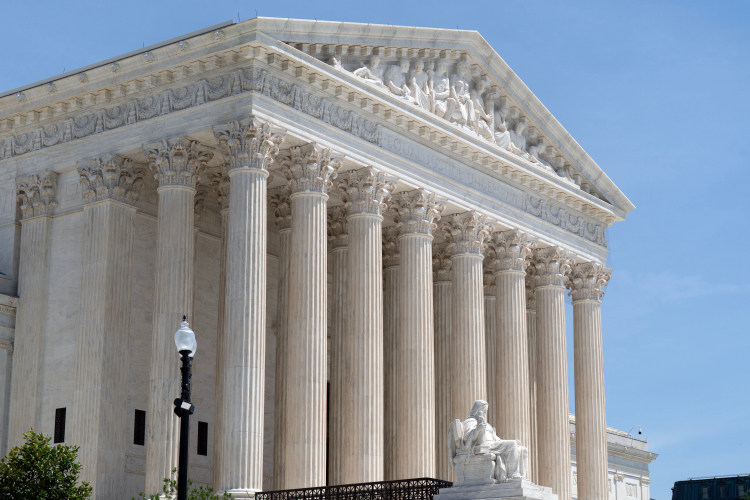
Expert Analyzes SCOTUS Ruling on Coordinated Political Party Spending

Former FEC Chairman Trevor Potter examines the Supreme Court's decision to strike down limits on coordinated political party spending and its impact.
Impact of the Supreme Court Decision
The Supreme Court recently issued a ruling that removes previous restrictions on how political parties can coordinate their spending efforts. This decision alters the landscape of campaign finance law by allowing more direct cooperation between political organizations and their candidates during election cycles.
Trevor Potter, the former Chairman of the Federal Election Commission (FEC), provides an analysis of how this legal shift affects the regulation of political contributions. The ruling addresses long-standing questions regarding the boundaries between independent expenditures and coordinated party activities.
Understanding Coordinated Spending
Under the previous regulatory framework, strict limits were placed on the amount of money political parties could spend in direct coordination with a specific candidate's campaign. These limits were intended to prevent undue influence and maintain a distinction between party-wide initiatives and individual candidate support.
The court's decision effectively dismantles these specific constraints. According to Potter, this change allows political parties to leverage more significant resources toward specific races, potentially increasing the financial scale of modern political campaigns. Key implications of this ruling include:
- Increased ability for party committees to direct funds toward specific candidate needs.
- A potential reduction in the distinction between independent spending and direct campaign support.
- Changes to the tactical approach of national and state-level political organizations.
Expert Perspectives on Campaign Finance
Potter notes that the ruling represents a significant shift in how campaign finance laws are interpreted by the judiciary. By striking down these limits, the court has signaled a broader approach to the First Amendment rights of political organizations regarding their ability to manage and deploy financial resources.
The decision removes a major barrier for political parties, fundamentally changing how they interact with candidate campaigns on a financial level.
The legal community is currently evaluating how this decision will influence future FEC enforcement actions. As political organizations adapt to these new rules, the balance between free speech protections and the prevention of corruption remains a central theme in national election law debates.